Power outages can happen unexpectedly during severe storms, high winds, utility failures, or winter weather. For homeowners in Tennessee and Kentucky, losing power for even a few hours can quickly become more than just an inconvenience — especially when it affects heating, cooling, refrigeration, medical devices, or home security systems.
That’s why more homeowners are investing in backup generators for reliable emergency power. But with so many options available, choosing the right generator for your home can feel overwhelming.
Why Home Backup Generators Matter
A backup generator automatically or manually restores power when the electrical grid goes down. Depending on the size and type of system, generators can power everything from a few essential appliances to your entire home.
Common reasons homeowners install generators include:
- Preventing food spoilage during outage
- Powering medical equipment
- Maintaining internet and security systems
- Avoiding frozen pipes during winter outages
- Improving overall peace of mind
Whole-home standby generators are especially valuable in areas that experience frequent storms or extended outages.
Understand the Different Types of Generators
Before choosing a system, it’s important to understand the differences between the main generator options available for residential homes.
Portable Generators
Portable generators are smaller, movable units designed to temporarily power select appliances or circuits. They are often more affordable upfront but require manual setup and refueling during outages.
Portable generators may work well for:
- Short-term outages
- Smaller homes
- Limited backup power needs
- Budget-conscious homeowners
However, they typically cannot power an entire home and require careful operation for safety.
Standby Generators
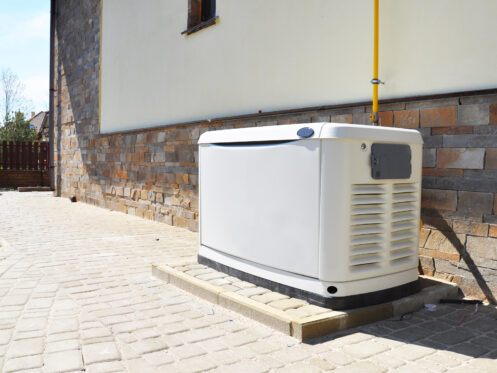
Standby generators are permanently installed outside the home and connected directly to the electrical system. These systems automatically activate when power is lost and shut off once utility power returns.
Many homeowners choose whole-home standby generators because they provide seamless backup power with minimal homeowner involvement.
Benefits of standby generators include:
- Automatic operation
- Higher power capacity
- Reliable long-term performance
- Safer operation compared to extension cords
- Ability to power HVAC systems and major appliances
How to Determine the Right Generator Size
One of the most important factors when choosing a generator is selecting the correct size. A generator that is too small may not power essential systems properly, while an oversized unit may increase installation costs unnecessarily.
The right generator size depends on:
- Home square footage
- Number of appliances and systems you want powered
- HVAC system size
- Well pumps or sump pumps
- Medical or specialty equipment
- Overall electrical demand
Some homeowners only want essential circuits powered, while others prefer full-home coverage during outages.
Working with an experienced electrician helps ensure accurate load calculations and proper system sizing.
Fuel Types to Consider
Home generators can operate using different fuel sources, each with its own advantages.
Natural Gas
- Continuous fuel supply from utility lines
- Lower maintenance fuel storage needs
- Popular for whole-home standby systems
Propane
- Reliable fuel storage on-site
- Good option for rural properties without natural gas access
Don’t Overlook Generator Maintenance
Like any mechanical system, generators require regular maintenance to perform reliably during emergencies. Neglecting maintenance can lead to startup failures or reduced performance when you need backup power most.
Professional generator maintenance typically includes:
- Battery inspections
- Oil and filter changes
- Fuel system checks
- Electrical connection testing
- Automatic transfer switch inspections
- System performance testing
Signs Your Generator May Need Repairs
If your current generator shows signs of trouble, prompt service can help prevent larger issues.
Common warning signs include:
- Difficulty starting
- Warning lights or error codes
- Excessive vibration or noise
- Fuel or oil leaks
- Failure to activate during outages
- Inconsistent power output
Why Professional Installation Matters
Generator installation involves much more than simply connecting equipment. Proper installation requires electrical expertise, load calculations, transfer switch installation, permitting, and code compliance.
At E&W Electrical Solutions, our experienced electricians help homeowners choose systems tailored to their power needs and property layout. Our team handles the installation process carefully to ensure safe, dependable operation.
If you’d like to see examples of completed electrical projects, you can also check out our work.
Protect Your Home with Reliable Backup Power
The right home backup generator can provide comfort, safety, and peace of mind during unexpected outages. Whether you need backup power for essential appliances or complete whole-home coverage, choosing the right system starts with professional guidance and expert installation.
E&W Electrical Solutions proudly provides generator installation, maintenance, and repair services throughout Tennessee and Kentucky. To learn more about backup power options or schedule a consultation, contact our team today.