If you’re applying for homeowners insurance, renewing a policy, or purchasing an older home, you may be asked to complete an electrical inspection. While that request can feel like just another item on a checklist, it serves an important purpose. Electrical inspections help insurance companies evaluate potential fire hazards, determine the condition of a home’s electrical system, and assess overall risk.
Understanding what inspectors look for can help you prepare for the process and identify potential issues before they affect your insurance coverage. Here’s what homeowners should know about electrical inspections and why they matter.
What Is an Electrical Inspection for Home Insurance?
An electrical inspection for home insurance is a professional evaluation of a property’s electrical system. Insurance providers often require these inspections for older homes or properties with unknown electrical histories because electrical problems remain one of the leading causes of residential fires.
The goal is not simply to confirm that the lights turn on. Inspectors evaluate whether the system can operate safely and reliably while meeting modern electrical standards. They look for conditions that could increase the likelihood of fire, equipment damage, or future insurance claims.
For homeowners, an inspection can provide valuable insight into the health of the electrical system and identify areas that may require attention before they become larger concerns.
What Do Electrical Inspectors Typically Check?
Electrical Panels and Service Equipment
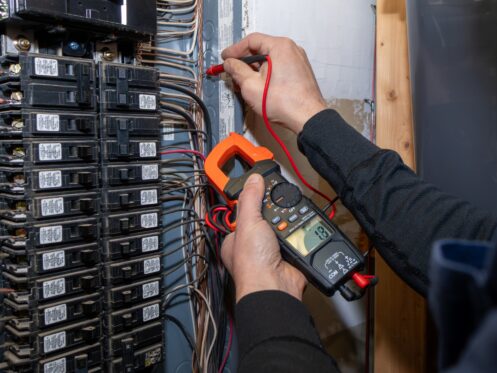
The electrical panel is often one of the first components inspectors examine. The panel serves as the central distribution point for electricity throughout the home, making its condition critical to overall safety.
Inspectors typically evaluate the panel’s age, condition, service capacity, and whether there are signs of overheating, corrosion, damaged breakers, or improper modifications. They may also identify outdated equipment that insurance companies consider higher risk.
If your home has an aging or undersized panel, upgrading may improve both safety and reliability. Professional electrical panel services can help ensure your system is equipped to handle modern electrical demands.
Wiring and Electrical Connections
Wiring is another major focus of insurance inspections. Inspectors look for damaged, exposed, deteriorated, or improperly installed wiring that could create safety hazards.
Older homes in Paris, TN, and surrounding communities may contain electrical systems that have been modified over decades of ownership. Inspectors often pay close attention to signs of amateur electrical work, loose connections, inadequate grounding, or wiring that no longer meets current safety expectations.
Even minor wiring issues can create significant risks if left unresolved, which is why insurance companies frequently use inspection findings to guide underwriting decisions.
Safety Devices and Protective Equipment
Modern electrical safety relies on more than wiring and breakers alone. Inspectors may verify the presence and operation of important protective devices throughout the home.
This can include Ground Fault Circuit Interrupter (GFCI) protection in areas where water is present, Arc Fault Circuit Interrupter (AFCI) protection where applicable, and other safeguards designed to reduce the risk of electrical shock or fire.
Smoke alarms and carbon monoxide detectors may also be reviewed as part of a broader home safety assessment depending on the insurer’s requirements.
Surge Protection and Backup Power Systems
Tennessee homeowners regularly experience thunderstorms, lightning activity, and weather-related power disruptions. Because of these conditions, inspectors may note whether a home includes additional electrical protection measures.
Whole-home surge protection can help reduce the risk of damage to electronics, appliances, and connected devices during voltage spikes. As households become increasingly dependent on technology, surge protection has become a valuable layer of defense.
If a home has a standby generator, inspectors may also evaluate whether the system appears professionally installed and connected through proper transfer equipment. Safe generator integration is essential for protecting both occupants and utility workers during power outages.
Why Do These Inspections Matter for Homeowners?
Electrical inspections can directly influence insurance eligibility, policy approvals, and, in some cases, premium costs. Identifying concerns early allows homeowners to address issues before they lead to denied coverage, unexpected repair expenses, or property damage.
Beyond insurance considerations, inspections provide peace of mind. They help confirm that your home’s electrical system is functioning safely and efficiently while reducing the risk of electrical fires, equipment failures, and costly emergency repairs.
For many homeowners, an inspection serves as an opportunity to make informed decisions about upgrades that improve both safety and long-term reliability.
Partner With an Experienced Electrical Contractor
When preparing for an insurance inspection, working with a qualified electrical contractor can help you identify and address potential concerns before they become obstacles. Since 1980, E&W Electrical Solutions has provided professional electrical services backed by the values of being innovative, competent, reliable, trustworthy, aligned, and committed.
As a Generac Power Pro Premier Dealer, our team understands the importance of safe, dependable electrical systems, from panels and wiring to surge protection and standby power solutions. Whether you need an evaluation, repairs, or upgrades, our residential electrical services team is here to help.
Contact E&W Electrical Solutions today to schedule a professional electrical assessment and help ensure your home is ready for insurance inspections and long-term safety.