Backup Generators for Homes in Our Area
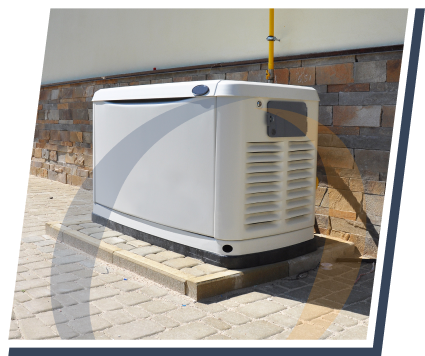
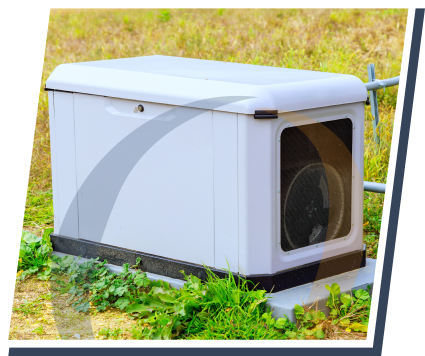
If you’re considering standby generators for the first time, choosing a fuel source is important. Most generators in our region burn either natural gas or liquid propane.
Natural gas remains the least expensive and most convenient option. However, it’s an option only if your property has access to a natural gas line; otherwise, you’ll rely on propane, which you’ll store in a tank on your property. Propane remains very cost-effective for generators. The downside is that you need to schedule deliveries, and delays may occur during bad storms and other events.
The next step is to size your system, and you can find backup generators in a wide range of capacities. The industry generally categorizes them as systems that provide essential coverage and managed whole-home coverage.
What Size Generator Do You Need?
Smaller generators deliver essential coverage, including heating in the winter, lighting, refrigerators, freezers, and, if applicable, a sump pump. A managed whole-house system lets you selectively power kitchen appliances, routers, modems, entertainment equipment, and so forth.
A common customer question is whether they need to upgrade their electrical systems. For most installations, we need to add the automatic transfer switch (ATS). The ATS handles the transition from the grid to your generator. Older houses may require an electric panel upgrade and other improvements, including wiring.
Installing a generator generally requires a permit, which demands that the panel meet code standards. This often means installing whole-home surge protection, even in newer homes. The National Electrical Code didn’t mandate that requirement until 2023, so most homes built before then lack that protection.